
Insurance for Utah Contractors
General liability, workers compensation, commercial auto, contractors equipment, umbrella, and surety bonds for Utah contractors. Coverage is built around your trade, your subcontractors, and the insurance requirements in your contracts.
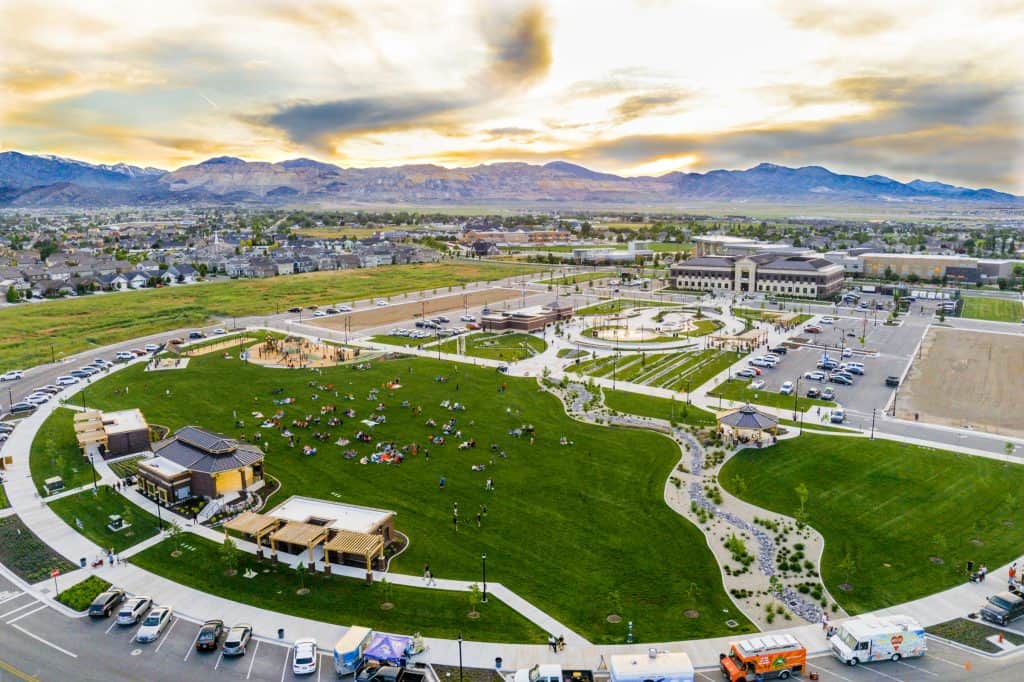
UTAH – CONTRACTORS
Insurance for Utah Contractors
A Utah contractor is rated on the work you actually perform: the trade, how much of it you subcontract, whether the jobs are residential or commercial, and what the owner or general contractor requires on the certificate. A standard business owner’s policy often stops at premises liability and a generic class code. It may not extend additional insured status, primary and noncontributory wording, a waiver of subrogation, or completed-operations coverage the way the contract is written.
Blackridge Risk Partners places commercial coverage for contractors whose operations or contract requirements need that structure. We are based in Herriman and work with owners across Utah.
WHO WE SERVE
Contractors We Work With
We place coverage for contractors whose classification, subcontracting, or contract requirements make the account more than a standard small-business policy.
General Contractors
- General contractors (B100)
- Residential and small commercial contractors (R100)
- Remodeling contractors (R101)
- Home Builders
- Commercial General Contractors
Environmental
- Environmental remediation contractors
- Asbestos abatement contractors
- Lead abatement contractors
- Mold remediation contractors
- Hazardous waste contractors
- Water and fire restoration contractors
Excavation
- Excavation contractors (S310)
- General engineering contractors (E100)
- Grading contractors
- Hydro excavation contractors
- Foundation contractors
- Demolition contractors
- Underground utility contractors
Electrical, Plumbing, & HVAC
- Electrical contractors (E200)
- Residential electrical contractors (E201)
- Plumbing contractors (P200)
- Residential plumbing contractors (P201)
- HVAC contractors (S350)
- Solar contractors (S202)
- Fire sprinkler contractors (S370)
Roofing, Concrete, & Carpentry
- Roofing contractors (S280)
- Concrete contractors (S260)
- Paving contractors
- Framing contractors
- Carpentry contractors (S220)
- Masonry contractors (S230)
- Siding contractors
- Stucco contractors
Other Trades
- Underground storage tank contractors (S410)
- Septic contractors
- Pipeline contractors
- Elevator contractors (S510)
- Welding contractors
COVERAGE WE PLACE
Coverage for Utah Contractors
We place these lines as a coordinated program, not disconnected policies. Limits and carriers depend on resident census, staffing, locations, and whether clinical services are provided on-site.
General Liability
Premises, operations, and products/completed operations. Contracts often require $1,000,000 per occurrence and $2,000,000 aggregate, plus additional insured, primary and noncontributory, and waiver of subrogation. Confirm the form against the agreement, not against last year’s certificate.
Commercial Auto
Owned trucks and vans, plus hired and non-owned auto when employees drive their own vehicles to jobs. Tools left in a truck are often an inland marine issue, not an auto physical-damage issue.
Workers’ Compensation
Coverage for employees, including field crews. Class codes follow the trade. Owners may be included or excluded depending on entity type. Uninsured subcontractors can be picked up on your audit.
Contractors Equipment
Inland marine for tools, machinery, and scheduled equipment on the job, in the shop, and in transit. A contents limit at the shop address does not follow a compressor to the site.
Umbrella / Excess
Extra limits above general liability, auto, and often employers liability. Many commercial contracts ask for $2,000,000 to $5,000,000. The umbrella has to follow the additional-insured wording, not just the occurrence limit.
Builder’s Risk
Course-of-construction property for a specific job: materials, the structure in progress, and sometimes soft costs or delay. This is usually written per project. It is not a substitute for your liability policy.
Surety Bonds
License, bid, performance, and payment bonds. A bond is not general liability. If the surety pays a claim, the contractor repays the surety. DOPL asks for a license bond when a financial-responsibility review requires one. Owners and general contractors ask for bid, performance, and payment bonds in the contract. Send the bond form and the required amount with the submission.
WHAT WE REVIEW
What Your Coverage Depends On
The quote has to describe the work the way an insurance company prices it. Trade mix, subcontracted receipts, job type, contract wording, and bond requirements decide which companies will offer coverage and what the certificate can say.
We compare insurance companies, match the coverage to the work, and build it around the contracts you sign. That includes specialty carriers when a standard company will not take the trade or the endorsement, and a surety bond when the license review or the project requires one.
TO GET A QUOTE
What We Need to Quote a Contractor
These items are enough to start. An insurance company may ask for more after it reviews them, especially if the work mix or the contract wording is unusual.
FREQUENTLY ASKED QUESTIONS
Common Questions About Insurance for Contractors in Utah
Let’s Talk About Your Coverage
Whether you need a second look at renewals or coverage for a complex operation, we’re ready to help. Reach out and we’ll get back to you within one business day.